Design case study · Sarmad Mughal
D2DCRM: making the software visible in one frame.
These portfolio creatives show two approaches to explaining a software product through static ads: one enlarged interface and a broader view of several features. I designed the ads; this case study examines the communication choices.
Discuss your project →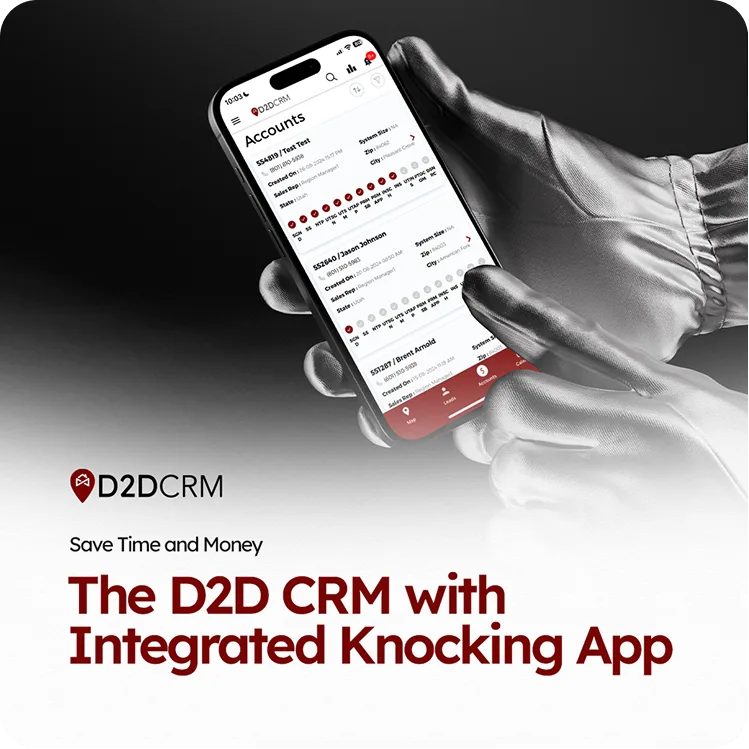
The communication problem
The integrated-app creative needs to explain that the product combines a CRM with a knocking app. A software ad can easily become a collage of tiny screenshots and feature labels. That shows breadth, but asks someone scrolling on a phone to inspect too much detail before understanding the offer.
Direction one: one enlarged interface
I used one prominent phone interface to make the software tangible. A black-and-white hand image gives the composition a technical feel, while the dark red headline connects it to the brand. The interface supports the message instead of becoming a background texture.
Direction two: show product breadth
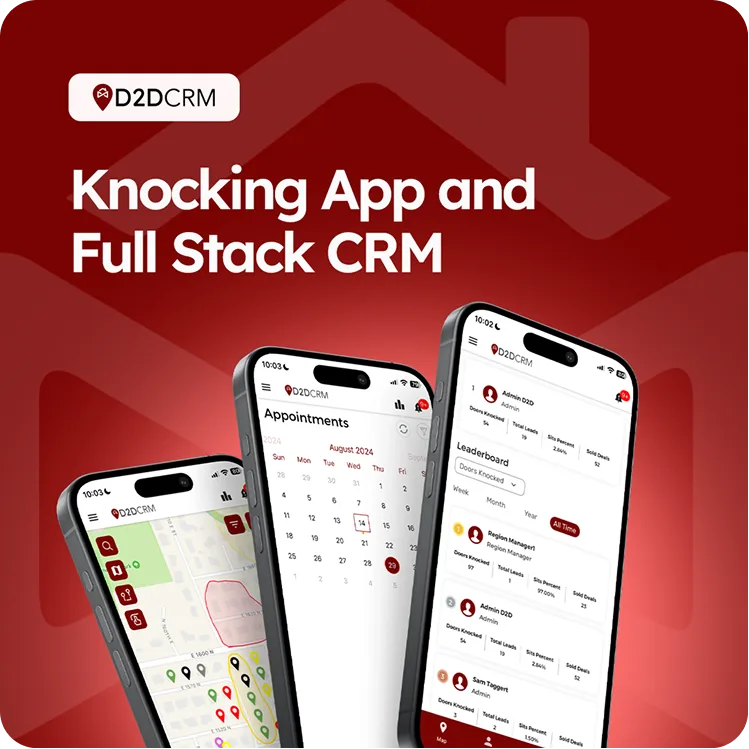
The multi-screen creative uses angled phones to communicate a broader set of features. Grouping the screens into one visual unit keeps the composition organised. The tradeoff is readability: more screens mean less space for each screen. This approach explains that the product can do several things, but gives each feature less attention.
What I would test next
For the first direction, I would test a shorter headline and clearer separation between the phone and the message. For the broader creative, I would compare the multi-screen layout with one screen and one feature. These are proposed tests, not reported campaign findings.
Deliverables and takeaway
The examples shown are two finished static ad executions: an integrated-app layout and a multi-screen feature layout. The lesson is to choose between interface clarity and feature breadth deliberately. Additional formats, source-file delivery and campaign results are not documented for this project.
Evidence and limits
The finished portfolio designs show my layout and communication work. I do not have campaign-level performance data for these examples, so this case study makes no CTR, lead-cost or ROAS claims. The full portfolio article includes these creatives alongside other B2B and DTC work.